Dyes & coloration
Reactive, VAT, disperse, sulphur, mineral, organic and acid dyes, with pigment options, etc.

Our R&D team connects material science, sampling and performance testing to develop technical textiles for industrial, outdoor and commercial use. Integrated production supports trials, refinement and the transition to manufacturing.
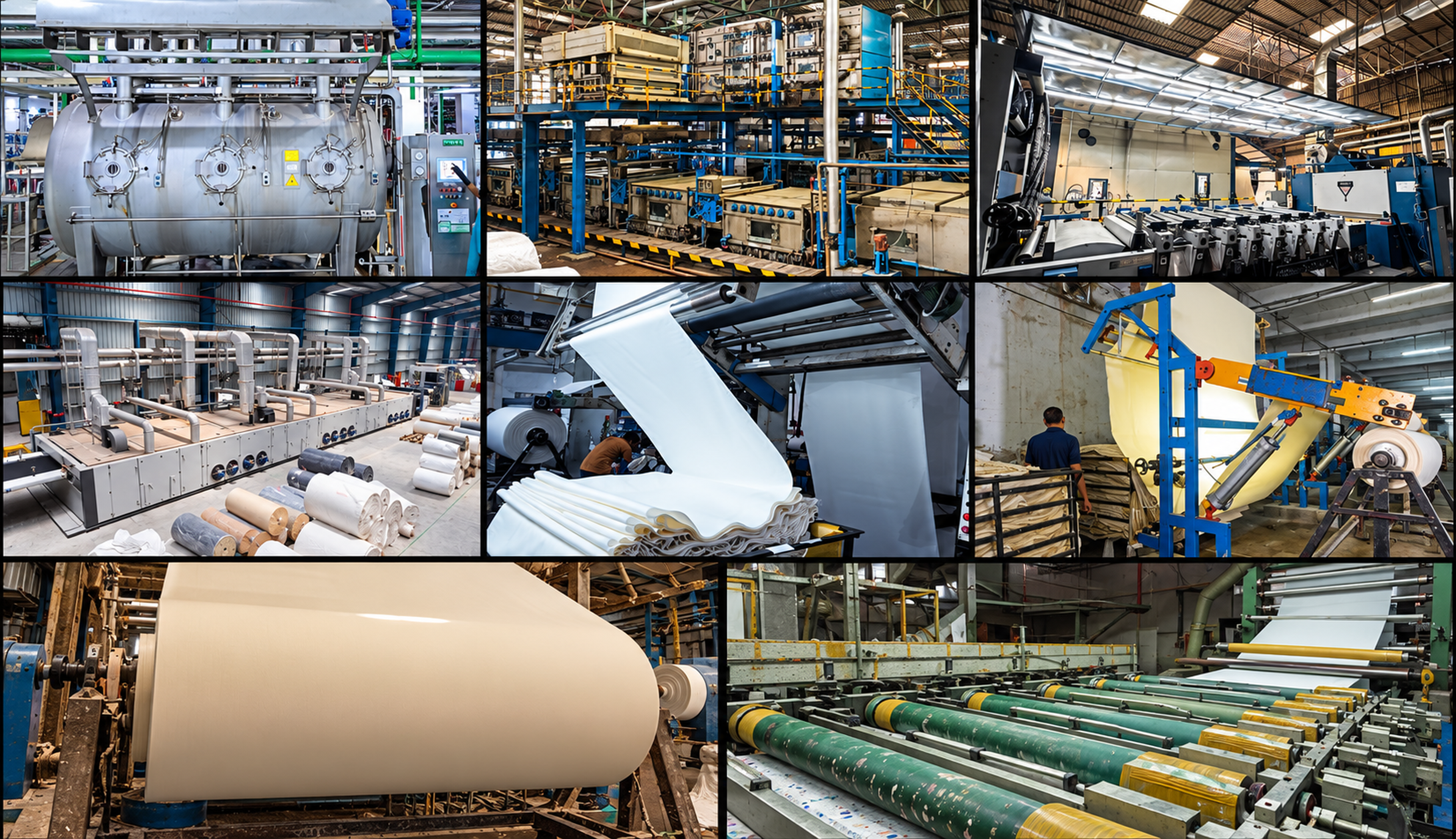
Reactive, VAT, disperse, sulphur, mineral, organic and acid dyes, with pigment options, etc.
PU, PVC, acrylic, silicone, EVA, polyolefin, nitrile and SBR latex; multilayer laminates, rubber and wax finishes, etc.
Water, mildew, soil, flame, IR and UV resistance; antibacterial, soft-touch and controlled-permeability options, etc.
Camouflage and custom colour effects, with specialist partner support for tents, tarpaulins and bags, etc.
From yarn preparation to finished-fabric evaluation, our laboratory supports consistent, informed development.
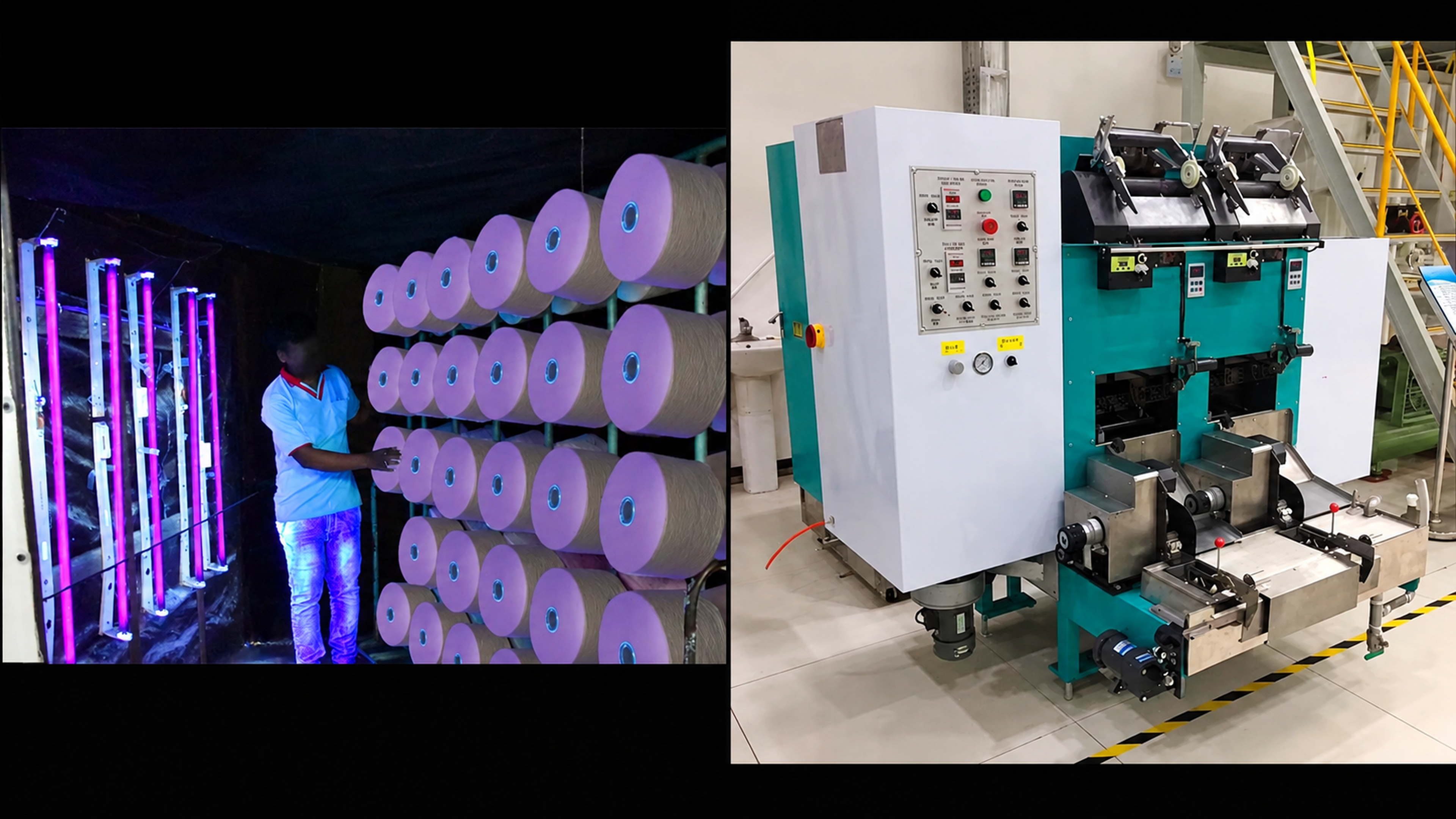
Yarns are prepared for comparative trials and laboratory evaluation. Controlled sample preparation helps connect fibre and yarn choices with the construction of the finished fabric.
Yarn quality is assessed before it becomes part of a fabric. Laboratory evaluation supports material selection, development trials and consistency between production batches.
Colour trials are compared with the agreed reference. Shade evaluation helps refine dye recipes and assess colour consistency before a development moves into production.
Laboratory checks bring together the agreed specification, sample observations and performance results. Findings guide adjustments to construction, processing and finishing.
Evaluate tensile and tear strength, abrasion resistance and flexibility alongside the fabric specification. Results help identify the construction and finish suited to the intended use.
Samples are conditioned before testing to reduce the influence of changing environmental conditions. Consistent preparation supports repeatable evaluation and meaningful comparisons.
Thermal and flame-performance evaluation supports the development of protective textiles. The intended use and requested test method guide sample selection and assessment.
Inspect yarns for visible irregularities and unwanted material before processing. Early observations help inform selection and reduce avoidable defects in the woven fabric.
Assess variation and imperfections in yarn to support construction quality. Results inform yarn selection and help investigate inconsistencies that may affect weaving or fabric appearance.